

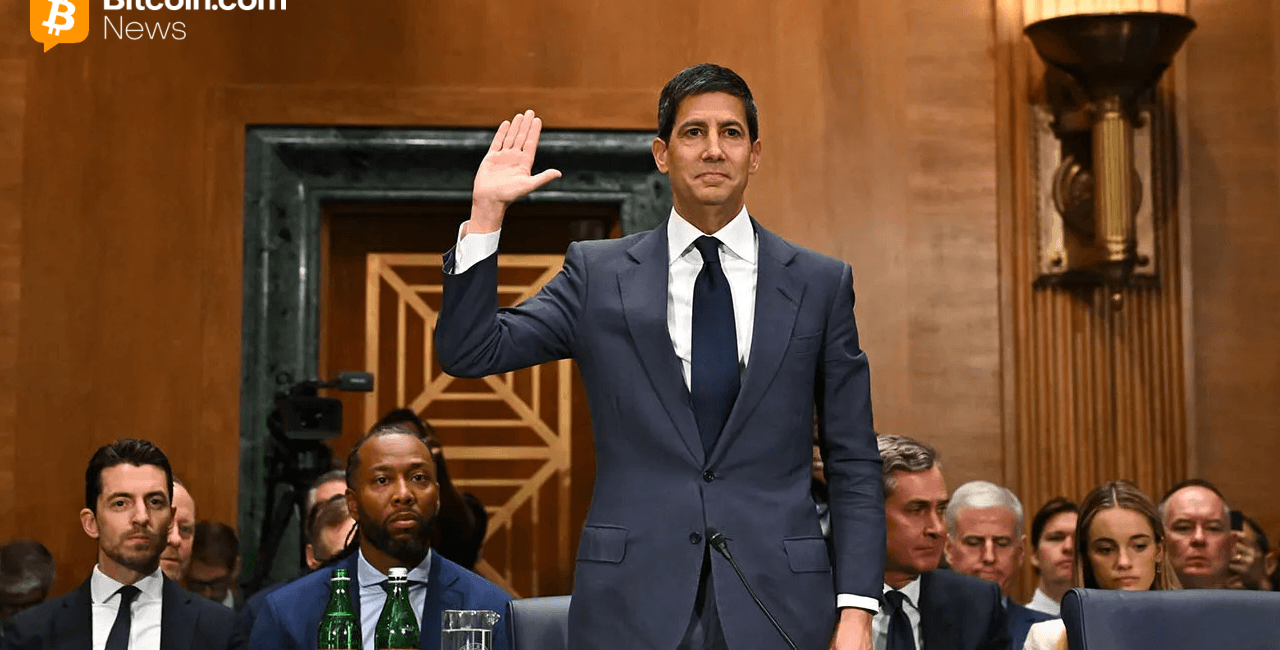
Key Takeaways:
- The Senate Banking Committee advanced Kevin Warsh’s Fed Chair nomination 13-11 on April 29, 2026.
- Sen. Thom Tillis lifted his hold after the DOJ closed its probe into Powell around April 24, clearing the vote.
- Full Senate confirmation is expected by mid-May 2026, potentially making Warsh chair before Powell’s term ends on May 15.
Warsh Fed Chair Nomination Advances
All 13 Republicans on the panel voted to move the nomination forward. All 11 Democrats voted against it. The executive session, chaired by Sen. Tim Scott, R-S.C., convened at 10 a.m. ET.
The full Senate is expected to take up the nomination in the coming weeks, with confirmation widely anticipated before mid-May. If confirmed, Warsh could be sworn in as early as May 15, 2026, when Jerome Powell‘s four-year term as chair expires.
Warsh, 56, is a lawyer and financier who previously served on the Federal Reserve Board of Governors from 2006 to 2011, appointed by President George W. Bush. He was a voting member of the Federal Open Market Committee (FOMC) and played a direct role in the Fed’s crisis response in 2008.
He has been a consistent critic of recent Fed policy. Warsh has called the central bank’s handling of the inflation cycle that peaked at 9.1% in 2022 the Fed’s biggest policy mistake in four decades. President Donald Trump nominated him earlier in 2026 specifically to replace Powell, whom Trump has repeatedly pressured to cut interest rates more aggressively.
Warsh has signaled he wants a “regime change” at the Fed, including potential shifts in the inflation framework, balance-sheet management, and a narrower interpretation of the central bank’s dual mandate.
A key procedural obstacle was cleared last week. Republican Sen. Thom Tillis of North Carolina had blocked the committee vote, citing a Department of Justice criminal investigation into Powell related to Federal Reserve building renovations. The DOJ closed the probe around April 24, prompting Tillis to lift his objection ahead of Wednesday’s session.
At his confirmation hearing on April 21, Warsh pledged to act independently if confirmed. Senators questioned him on Fed independence, rate policy, the balance sheet, and his relationship with the White House.
Sen. Elizabeth Warren, D-Mass., the committee’s ranking member, led Democratic opposition. She and other Democrats argued Warsh would not adequately protect the Fed from White House interference and warned that political pressure could become a tool against the institution.
Markets were closely watching the process, though Wednesday’s committee vote did not produce major immediate price reactions. The Fed’s April policy meeting, likely Powell’s final one as chair, was widely expected to hold rates steady in the 3.50%-3.75% range given persistent inflation concerns and oil supply disruptions.
If the full Senate confirms Warsh, analysts expect the Fed to maintain its core mandate while placing greater emphasis on faster rate cuts and balance-sheet reduction. How the post-2022 inflation framework is adjusted will depend on Warsh’s approach once in the chair.
One open question remains: Powell’s status after mid-May. Powell’s underlying governor term runs through January 2028, meaning he could stay on as a governor. Whether he does or steps aside, it carries its own political and legal implications given Trump’s past comments about removing officials.
The confirmation would mark the first major change in Fed leadership under Trump’s current term. The U.S. Federal Reserve, under Powell, is expected to publish a decision on the federal funds rate later this afternoon. CME futures traders and prediction markets are not expecting an interest rate change.







No Comment! Be the first one.